

Global Indigenous Partnership for Climate Action Expand into India: BIPA Formally Onboard Under Satoyama Mace Initiative
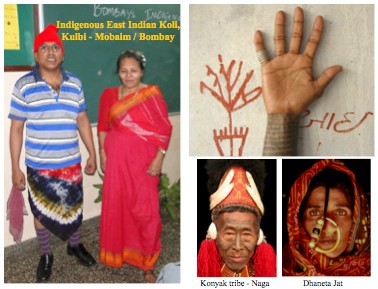
Representatives of the Indigenous East Indian Koli and Kulbi clans of Mobaim (Bombay) in traditional attire (left), alongside a visual montage highlighting the ancestral motifs and symbolic iconography of the community. On the right, the image captures t
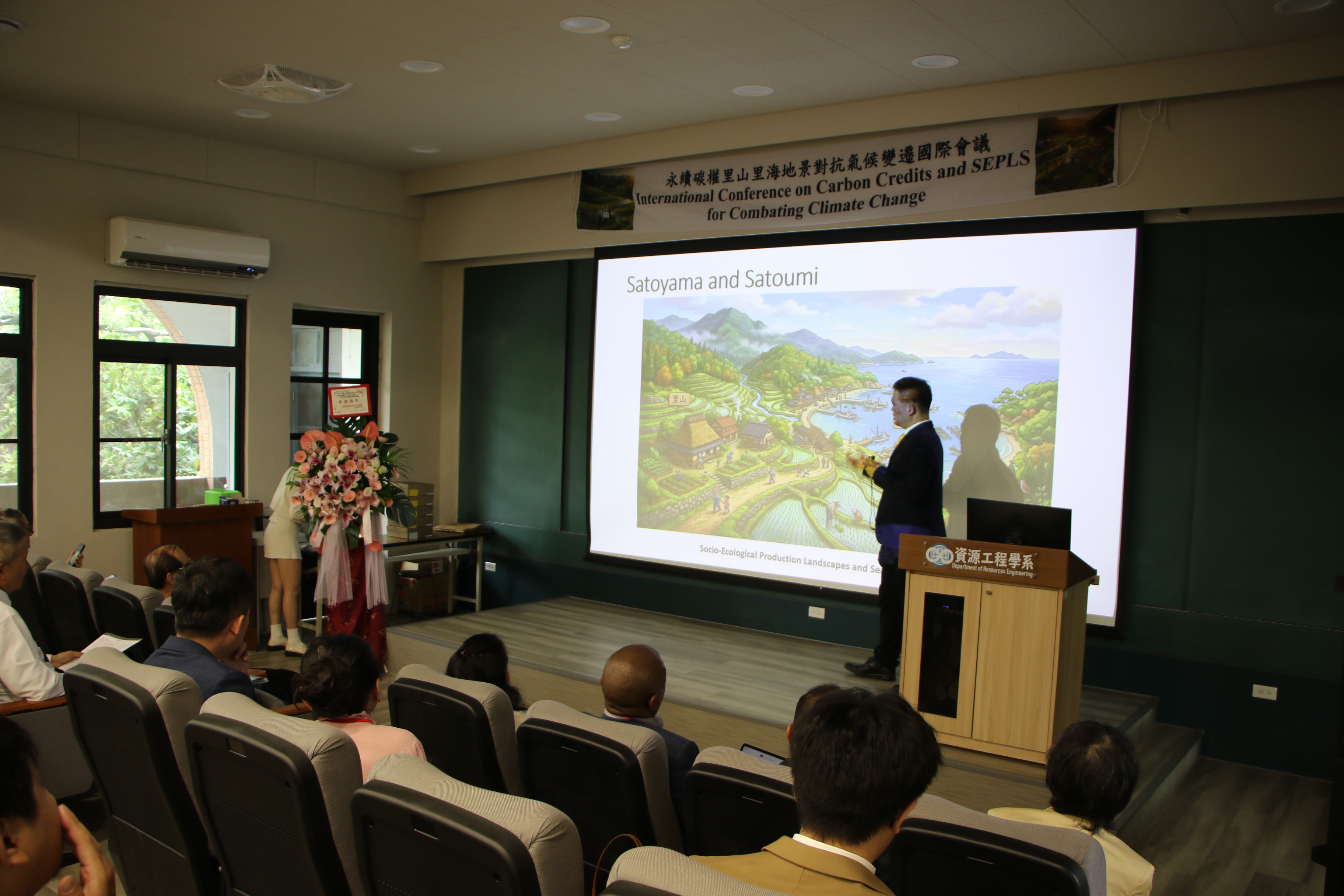
Prof. Yen-Hsun Su explain Satoyama Mace Initiative
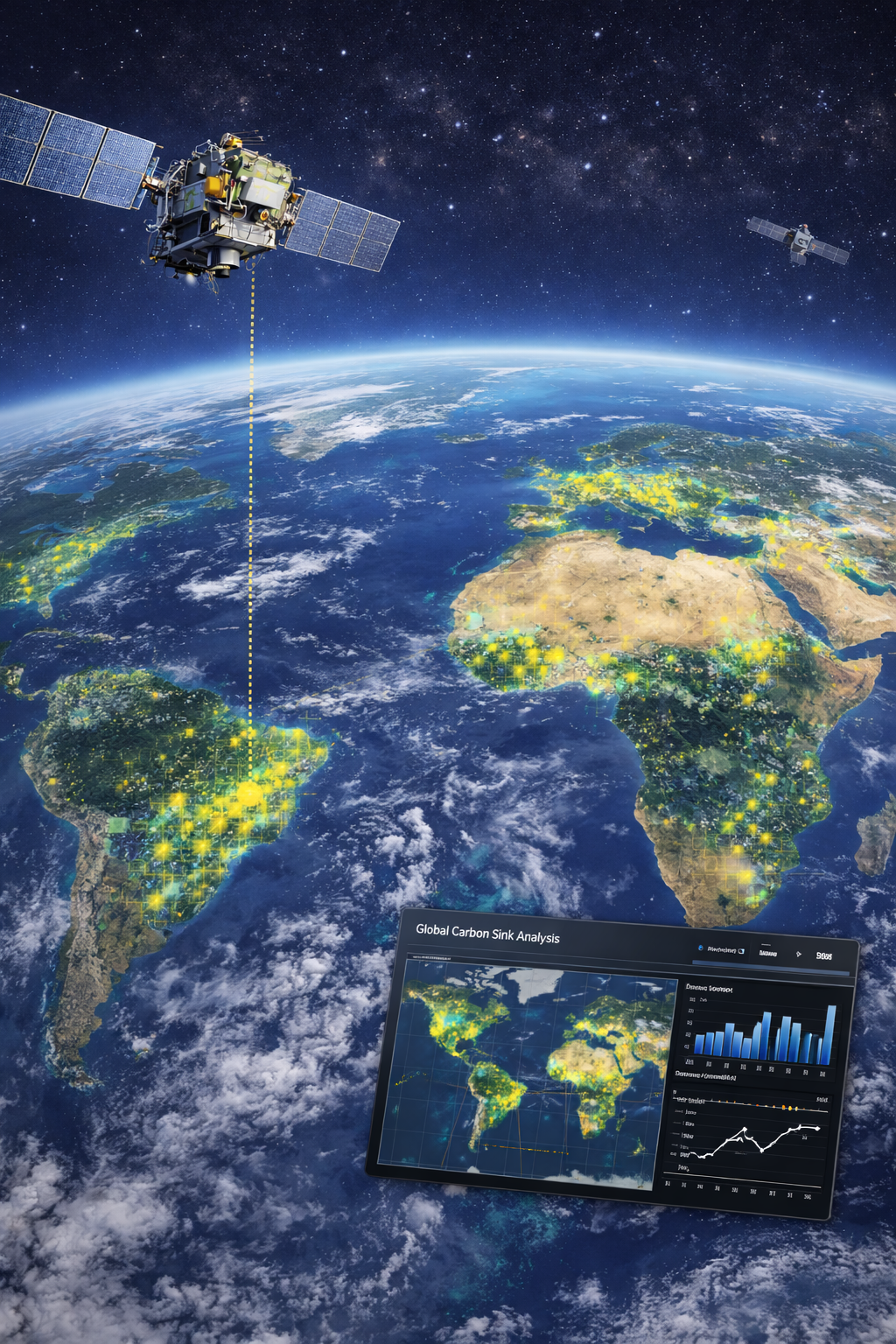
A satellite view of Earth illustrates the global distribution of carbon sinks across forests, wetlands, oceans and agricultural landscapes, highlighting the role of space-based monitoring in climate governance.

Fostering balance between humans and nature through AI-assisted Satoyama Initiative climate solutions.
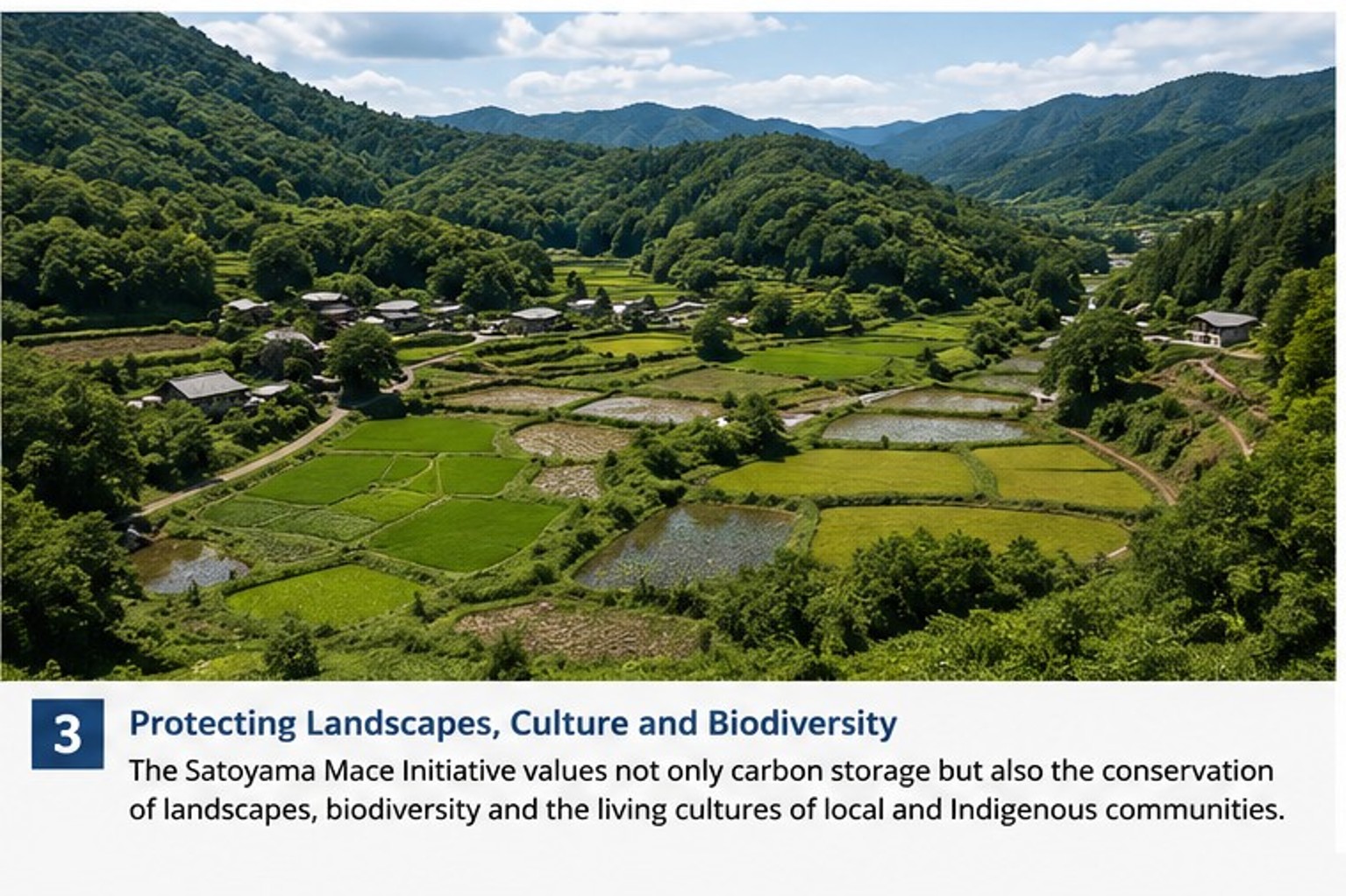
Protecting Landscapes, Culture and Biodiversity
Building Indigenous-led climate action through science, biodiversity, and high-integrity carbon solutions.
INDIA, June 29, 2026 /EINPresswire.com/ -- In a major expansion of transnational climate action drive, the Satoyama Mace Initiative, hosted at National Cheng Kung University (NCKU), Tainan, Taiwan, has formally accepted the membership of the East Indian/Mobaim Mulvasi Indigenous community from Mumbai, India. The community, represented by the Bombay’s Indigenous Peoples Association (BIPA), enters the landmark collaboration of Global Indigenous Partnership for Climate Action (GIPCA), establishing a collaborative platform focused on Indigenous stewardship, biodiversity conservation, and nature-based climate solutions. By combining the Initiative’s cutting-edge peer-reviewed scientific frameworks with BIPA’s traditional ecological knowledge and extensive regional network, the partnership seeks to operationalize large-scale regional carbon sequestration models aligned with the Kunming-Montreal Global Biodiversity Framework (KMGBF) and Sustainable Development Goals (SDGs).
The operational onboarding was facilitated by Prof. Luke Gabriel Mendes, founder and chairperson of the Bombay’s Indigenous Peoples Association (BIPA), who has led grassroots efforts in Indigenous land tenure validation, ecological restoration, and community climate resilience across India for over twelve years.
The East Indian/Mobaim Mulvasi community identifies with the Kilbi Indigenous Coastal Farming tradition of the Bombay Islands. Scientific genomic lineage tracking aligns with the community’s oral histories, indicating a continuous indigenous presence on these specific latitudes spanning millennia.
The Indigenous society of Mobaim operated as an interconnected, self-sustaining network of specialized clans where community roles were deeply tied to the ecosystem:
The Koli: Traditional stewards of the marine environments and fisheries.
The Kulbi: Inland farmers managing seasonal monsoon rice cultivation.
The Kumbhar: Local potters creating earthenware for water and grain storage.
The Khari / Aagri: Salt pan workers managing the delicate coastal wetlands.
The Kapri: Traditional weavers providing clothing for the collective tribe.
A central pillar of their ecological heritage is the veneration of the sacred “Umbhar” tree (sp. Ficus glomerata). Because the tree naturally acts as an unerring biological indicator of shallow, healthy groundwater tables, it served as the literal anchor around which indigenous settlements historically flourished.
The GIPCA structural model is explicitly engineered to honor and reinforce this legacy. Operating on a voluntary approach anchored by Free, Prior and Informed Consent (FPIC), the Satoyama Mace Initiative states that the indigenous communities remain the primary decision-makers over their lands and traditional landscapes, while the platform may assist with technical support such as ecological monitoring, carbon baseline assessments, project design, and access to international climate finance systems.
BIPA brings a powerful, proven track record of field execution to the GIPCA. “We are preserving and collecting indigenous plant species, conserving climate resilient salt-tolerant rice varieties through seed bank and traditional ecological knowledge,” stated Prof. Mendes, faculty at Xavier University, Mumbai. “In Satara, we are planning a large-scale drought reversal, native reforestation, and ecological greening activities covering about 300 square kilometers. Across Maharashtra, Odisha, Gujarat, and Rajasthan, the potential operational landscape is vast.” He added that the full scale of implementation would depend on securing funding for on-the-ground drought reversal and ecosystem restoration projects, with plans to later expand beyond India into international collaboration.
“The inclusion of BIPA into the GIPCA represents a profound step forward for International Climate Diplomacy,” stated Dr Yen-Hsun Su, Chairman of the Satoyama Mace Initiative. “True environmental sustainability cannot be engineered in isolation. By supporting BIPA’s extensive field operations with rigorous, KMGBF-aligned carbon accounting, we are proving that ancient indigenous wisdom and cutting-edge materials science can seamlessly unite to solve the global climate crisis.” Through the GIPCA platform, the Initiative serves as the primary scientific and administrator anchor, offering verified carbon methodologies that monetize ecological restoration.
Across India’s developing agricultural landscapes, conventional cash crop, such as cotton and sugarcane, have increasingly trapped smallholder communities in precarious cycles of economic and ecological distress. These water-intensive crops exacerbate severe groundwater depletion and require intensive pesticide and fertilizer usage. The resulting surge in chemical input costs, paired with high vulnerability to volatile market returns and pest outbreaks, has historically triggered deep financial imbalances. For marginalized agricultural laborers and smallholders, these compounding factors manifest systematically as rising farmer indebtedness, immediate loss of stable livelihoods, and severe operational volatility. By shifting agricultural fields toward low-input, climate-resilient alternative native cultivars through this strategic collaboration, the GIPCA framework serves as a deliberate structural shield against these macroeconomic risks.
By deferring technical expenses such as Monitoring, Reporting, and Verification (MRV) systems, remote sensing, and carbon issuance-related processes until projects generate verified market revenue, the platform ensures immediate financial access for indigenous communities without burdening them with corporate debt or startup barriers. “Such partnerships for carbon revenue should strengthen Indigenous stewardship, not replace it,” the Initiative states in its foundational framework.
The systematic methodology developed by the Satoyama Mace Initiative targets a massive outreach of over thousands of direct and indirect rural beneficiaries. By organizing marginalized smallholders and women’s self-help groups into decentralized production networks, the partnership creates entirely localized textile and agricultural value chains. This structural shift away from resource-depleting crops actively protects vulnerable communities from rising farmer indebtedness, forced migration, and health risks associated with heavy chemical dependencies.
Crucially, the partnership incorporates unprecedented transparency measures to validate its on-ground ecological training and carbon baselines. The collaboration will utilize digital monitoring systems deployed at local training centers, allowing international stakeholders and academic reviewers to access and verify field activities in real-time. To maintain strict standard compliance without draining local community resources, third-party reporting agencies will be integrated to handle independent data verification. Ultimately, this comprehensive operational structure proves that combining indigenous-led socio-ecological stewardship with rigid digital verification can successfully establish self-sustaining, climate-resilient rural economies across the globe.
While the GIPCA delivers the technical and scientific validation required to turn traditional conservation into high-integrity landscape assets, this partnership offers an expansive international environment to validate Satoyama Mace Initiative’s peer-reviewed carbon methodologies outside of East Asia. The resulting climate finance will flow directly into community-led funds, funding localized green employment, and protecting deep cultural lineages. This framework establishes a transparent, ethical model for High-Integrity Indigenous Carbon. It demonstrates to global institutional investors, corporate buyers, and UN frameworks that carbon offsetting can actively combat climate vulnerability, protect biodiversity, and uphold human rights simultaneously.
“The formal entry of the East Indian/Mobaim Mulvasi community into the GICP is intended to serve as a catalyst for a global registry movement,” added Dr Amit Sharma, Secretary of the Satoyama Mace Initiative. “The Initiative and the GIPCA governing board are issuing an open invitation to other Indigenous associations, traditional community cooperatives, and conservation non-governmental organizations (NGOs) managing forests, wetlands, critical mangroves, grasslands, and traditional agricultural systems worldwide to explore dialogue.”
Rather than replacing Indigenous stewardship, the Initiative is designed to strengthen Indigenous leadership by providing scientific support, transparent monitoring, and equitable access to international climate finance while fully respecting the principles of FPIC. Through this model, Indigenous knowledge holders remain the primary custodians and decision-makers of their traditional territories, while scientific institutions contribute independent verification, technical innovation, and long-term capacity building. Beyond ecological restoration, the partnership represents an emerging model of science diplomacy, where universities, Indigenous Peoples, and civil society organizations collaboratively co-produce knowledge, strengthen international trust, and accelerate implementation of global biodiversity and climate commitments.
Looking beyond this partnership, the Satoyama Mace Initiative aims to establish a globally scalable governance framework for Indigenous-led climate action through science diplomacy, biodiversity conservation, and high-integrity carbon finance. As an endorsed Collaborative Activity under the United Nations University Institute for the Advanced Study of Sustainability (UNU-IAS) International Partnership for the Satoyama Initiative (IPSI), the Initiative integrates peer-reviewed scientific carbon methodologies, remote sensing, biodiversity monitoring, and community-based implementation into a unified framework aligned with the KMGBF. National Cheng Kung University (NCKU), one of Taiwan's leading comprehensive research universities, provides the scientific coordination for the Initiative.
The Satoyama Mace Initiative, is a transnational climate action and sustainability platform, endorsed by the International Partnership for the Satoyama Initiative (IPSI). Affiliated with global expert bodies, the initiative develops advanced carbon mitigation methodologies aligned with the Kunming-Montreal Global Biodiversity Framework (KMGBF), supporting community-based conservation across socio-ecological production landscapes and seascapes (SEPLS) worldwide.
The Satoyama Mace Initiative Registry is a scientific home for high-integrity carbon registry framework designed to support biodiversity-positive, community-led carbon projects. By combining rigorous scientific standards with transparent governance and Indigenous participation, the Registry seeks to build international confidence among governments, corporate climate buyers, investors, and multilateral organizations while ensuring that climate finance directly supports local livelihoods, ecosystem restoration, and cultural continuity.
For partners and community members, the Initiative provides fully standardized, KMGBF-aligned methodology frameworks, comprehensive remote sensing analytics, and a direct pipeline to ethical international climate finance systems, entirely removing commercial middleman overhead. India represents the first South Asian regional partnership under GIPCA, creating a scalable model for future collaborations across Asia, Africa, Latin America, and the Pacific.
Interested Indigenous organizations and environmental cooperatives are encouraged to review partnership protocols and submit initial participation inquiries via the official Global Indigenous Partnership for Climate Action registration platform. The Initiative welcomes dialogue with Indigenous Peoples' organizations, universities, conservation agencies, philanthropic foundations, and responsible private-sector partners seeking to develop high-integrity, community-centered climate solutions aligned with the KMGBF, the Paris Agreement and SDGs.
Yen-Hsun Su
SEPLS Carbon Credit Regional Revitalization Center
email us here
Legal Disclaimer:
EIN Presswire provides this news content "as is" without warranty of any kind. We do not accept any responsibility or liability for the accuracy, content, images, videos, licenses, completeness, legality, or reliability of the information contained in this article. If you have any complaints or copyright issues related to this article, kindly contact the author above.
